THE WORLDWIDE
INSECTICIDE RESISTANCE
NETWORK

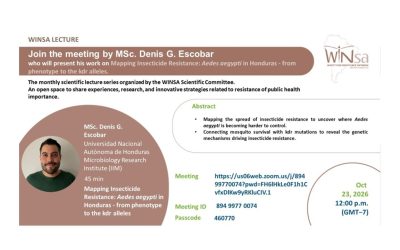
WINSA Lecture N°12 by MSc. Denis G. Escobar who will present his work on « Mapping Insecticide Resistance: Aedes aegypti in Honduras – from phenotype to the kdr alleles »
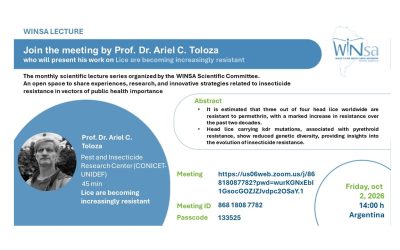
WINSA Lecture N°11 by Prof. Dr. Ariel C. Toloza who will present his work on « Lice are becoming increasingly resistant »
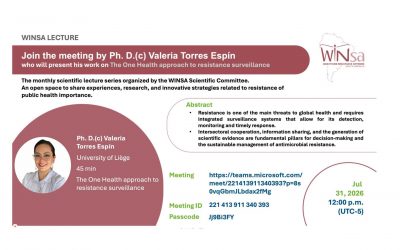
WINSA Lecture N°10 by Ph. D.(c) Valeria Torres Espin who will present his work on « The One Health approach to resistance surveillance »
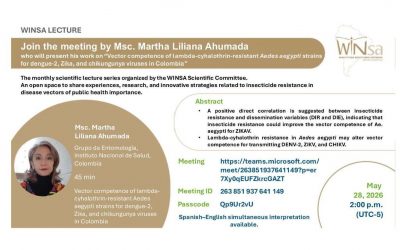
WINSA Lecture N°9 by Msc. Martha Liliana Ahumada who will present his work on « Vector competence ot lambda-cyhalothrin-resistant Aedes aegypti strains for dengue-2, Zika, and chikungunya viruses in Colombia »
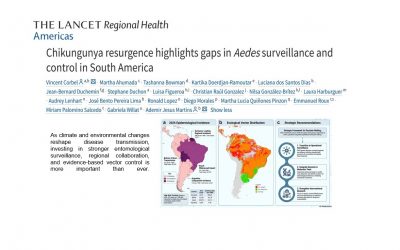
Chikungunya resurgence highlights gaps in Aedes surveillance and control in South America
Over the past decade, chikungunya has re-emerged as a major public health concern in the Americas.1 In 2025 alone, more than 313,000 cases and 170 deaths were reported across 18 countries, according to the Pan American Health Organization (PAHO). Transmission...
WINSA Lecture N°8 by Dr Manuel F. Lluberas, MSc. IDHA who will present his work on « Living with Mosquitoes: Inevitable Reality or Tropical Fallacy? »
/focus
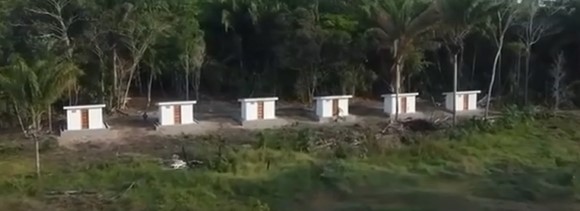
first Experimental Center for Research and Evaluation of Strategies for Malaria Vector Control in the Amazon State (CEPAVE)


What we do ?

The WIN Network brings together 19 internationally recognized institutions in vector research, providing a unique framework for tracking insecticide resistance in mosquito vectors of arboviruses around the world. The network aims at identifying the particular countries/regions where resistance could challenge vector control interventions and to provide the WHO and member states with key recommendations for improvement of insecticide resistance surveillance and deployment of alternative vector control tools.